

How Gilbert Weather Affects Sinus Problems
Congestion before a storm rolls in isn't a coincidence. See how Gilbert's dry air, dust, and monsoon season impact your sinuses and when to get checked.
How Gilbert Weather Affects Sinus Problems
A lot of people expect sinus problems to show up during allergy season.
What they don't expect is for symptoms to appear right before a weather change.
One day, you're feeling fine. Next, your nose feels congested, pressure develops around your eyes, and a headache settles in before you've even checked the forecast. At Trinity ENT, patients often notice this pattern long before they realize that Gilbert's climate may be contributing to their symptoms.
While allergies certainly affect many Arizona residents, weather conditions can also play a significant role in how the sinuses feel and function throughout the year. Gilbert's combination of dry air, dust, seasonal pollen, and changing weather patterns can create challenges for people with sensitive sinuses.
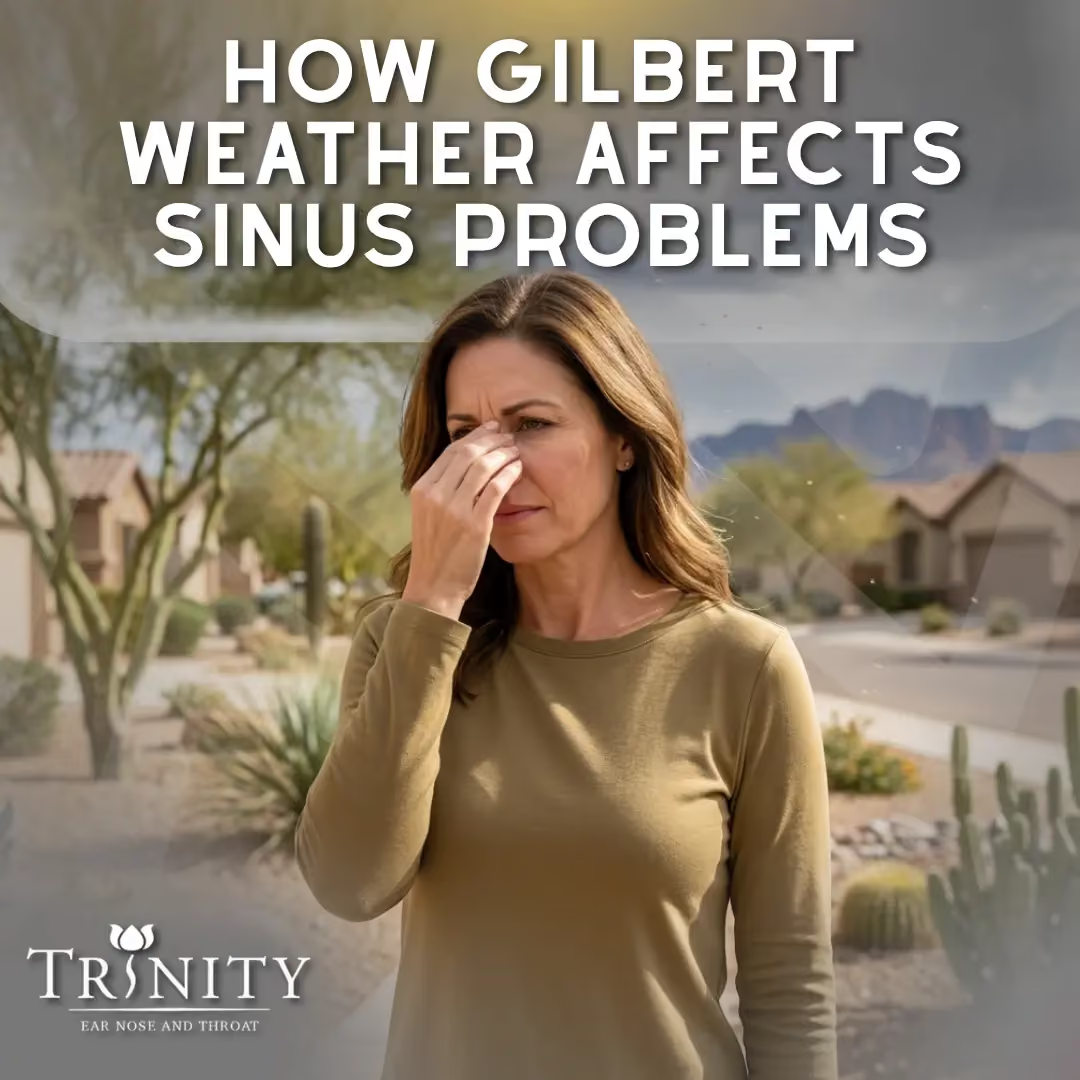
Arizona's Dry Air Can Irritate the Sinuses
One of the biggest differences between Arizona and many other parts of the country is the lack of humidity.
Your nose and sinuses rely on moisture to help trap particles and move mucus through the nasal passages. In Gilbert's dry climate, those tissues can become irritated more easily. Mucus may become thicker, the nasal lining can feel inflamed, and some people experience congestion even when they are not dealing with a cold or infection.
This helps explain why dry air can sometimes create the unusual combination of feeling both congested and dried out at the same time. Dry air can contribute to irritation of the nasal lining and ongoing sinus discomfort in some individuals.
Dust and Wind Often Make Symptoms Worse
Residents of Gilbert, Mesa, Chandler, and Queen Creek are familiar with dusty conditions, especially during windy periods.
Dust particles can irritate already sensitive nasal passages and trigger inflammation. For individuals with allergies or underlying sinus conditions, even brief exposure can lead to congestion, sneezing, postnasal drip, or facial pressure.
Many patients assume these symptoms are solely caused by allergies. In reality, environmental irritation from dust and airborne particles may be contributing to the problem as well. Because these environmental exposures occur throughout much of the year, many people begin accepting recurring symptoms as a normal part of living in the desert.
Seasonal Changes Still Affect Sinuses in Arizona
Although Arizona doesn't experience the dramatic seasonal shifts seen in colder climates, changes still occur throughout the year.
Spring often brings increased tree and grass pollen. Fall can introduce weeds and other seasonal allergens. Even modest changes in temperature and humidity can affect sensitive sinus tissues.
Many Gilbert residents notice that symptoms seem to flare during these transitions. Congestion, sinus pressure, headaches, and postnasal drip may become more noticeable as environmental conditions change.
For some people, weather changes don't create sinus problems. They simply expose issues that were already present.
Monsoon Season Creates a Different Challenge
People often assume rain improves sinus symptoms.
Sometimes it does. Sometimes it doesn't.
Arizona's monsoon season introduces sudden increases in humidity, dust storms, mold exposure, and shifts in barometric pressure. These changes can trigger congestion, headaches, facial pressure, and ear fullness in susceptible individuals.
The rapid pressure changes associated with storms can be particularly noticeable for people who already have chronic sinus inflammation, allergies, or structural nasal concerns. Weather patterns may not be the root cause, but they can make underlying issues harder to ignore.
Symptoms People Don't Always Connect to Weather
Weather-related sinus problems aren't limited to a stuffy nose.
Many patients experience headaches, facial pressure, fatigue, difficulty concentrating, poor sleep, ear fullness, or increased throat irritation. Some simply feel run down whenever weather conditions change without realizing their sinuses may be involved.
These symptoms can affect work performance, outdoor activities, exercise routines, family events, and overall comfort. Over time, many people begin accepting them as a normal part of living in Arizona.
How Do I Know It's Time to Stop Waiting and Get Checked?
Occasional sinus symptoms during weather changes are common. However, it may be worth scheduling an ENT evaluation if symptoms repeatedly interfere with sleep, daily activities, work, or exercise.
You may also benefit from an evaluation if congestion frequently returns, sinus pressure becomes a recurring problem, or you experience repeated sinus infection symptoms throughout the year. Conditions such as allergies, chronic sinusitis, nasal polyps, and structural concerns can all make the sinuses more reactive to environmental changes.
Understanding the underlying cause often provides more useful answers than simply blaming the weather.
Why Persistent Weather-Related Symptoms Deserve Attention
Gilbert's desert climate creates a unique environment for sinus health. Dry air, dust exposure, seasonal allergens, monsoon weather, and changing barometric pressure can all influence how your sinuses feel throughout the year.
At Trinity ENT, many patients learn that weather is only part of the story. Environmental conditions often reveal underlying sinus or allergy issues that have been contributing to symptoms for months or even years. Identifying those factors can help explain why congestion, pressure, and headaches keep returning.
If changing weather patterns seem to trigger recurring sinus symptoms, Trinity ENT can help identify what's causing them.
More Insights to Explore

The information provided in this article is for informational and educational purposes only and does not constitute medical advice. It is not intended to diagnose, treat, cure, or prevent any disease or medical condition. Always seek the guidance of your physician or other qualified healthcare provider with any questions you may have regarding a medical condition or treatment.
Results may vary: Treatment outcomes and health experiences may differ based on individual medical history, condition severity, and response to care.
Emergency Notice: If you are experiencing a medical emergency, call 911 or seek immediate medical attention.
