

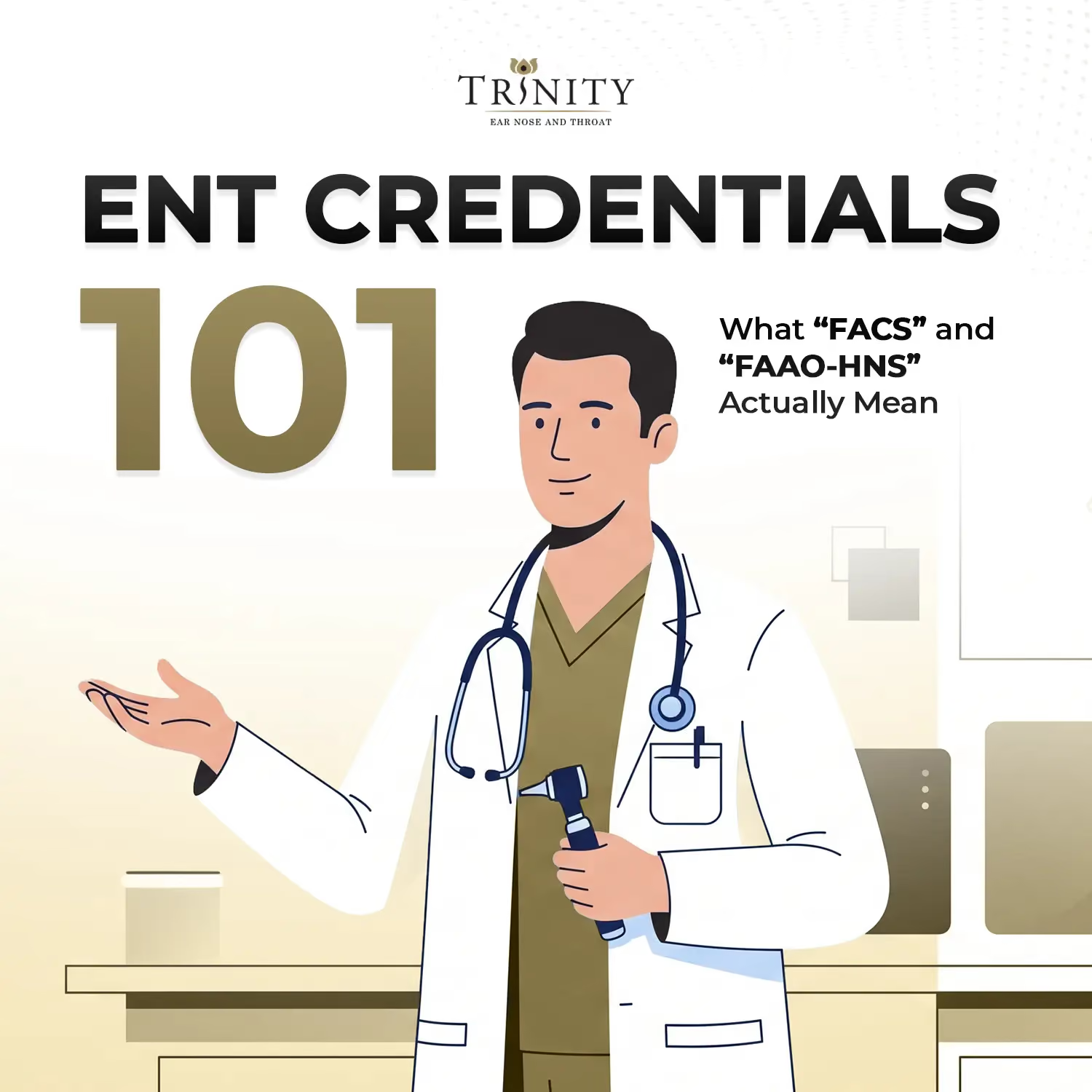
ENT Credentials 101: What “FACS” and “FAAO-HNS” Actually Mean
What do FACS and FAAO-HNS actually mean? Learn what these credentials say about an ENT's training, and how to use them when choosing your provider.
ENT Credentials 101: What “FACS” and “FAAO-HNS” Actually Mean
When you are choosing an ENT, you will often see letters after a doctor’s name that look unfamiliar. At Trinity ENT, patients frequently ask what FACS and FAAO-HNS actually mean and whether they should factor into their decision when selecting a doctor.
These credentials are not random abbreviations. They reflect training, peer recognition, and involvement in professional medical organizations that set standards in ear, nose, and throat care.
Understanding them can help you make a more informed decision when choosing the right ENT for your symptoms.
What FACS Means
FACS stands for Fellow of the American College of Surgeons. This is not automatically given to every surgeon. It is awarded after a review process that evaluates a doctor’s training, surgical experience, ethics, and professional conduct.
To be designated FACS, a physician generally must be board certified in their specialty, meet established surgical standards, and have their qualifications reviewed by other surgeons. It also reflects a commitment to maintaining high standards in surgical practice over time.
In simple terms, FACS signals that a surgeon’s work has been reviewed and recognized by peers in the surgical field. It is often associated with doctors who perform procedures and surgeries regularly as part of their ENT practice.
What FAAO-HNS Means
FAAO-HNS stands for Fellow of the American Academy of Otolaryngology–Head and Neck Surgery. This organization is the main professional body for ENT physicians in the United States. Being a Fellow means the doctor is actively connected to this field and meets the academy’s professional and ethical standards.
To hold FAAO-HNS status, a physician must practice in the field of otolaryngology, stay engaged in continuing education, and follow the standards set by the academy. It reflects ongoing participation in the ENT medical community and a commitment to current practices in sinus, ear, throat, and allergy care.
How These Credentials Are Different
Although both credentials reflect professional recognition, they highlight different aspects of a doctor’s background.
FACS is more closely linked to surgical evaluation and peer-reviewed surgical standards. FAAO-HNS is tied to membership and active participation in the main ENT professional organization.
Some ENT doctors hold one credential, while others hold both. When both are present, it generally reflects recognition in surgery as well as active involvement in the broader ENT field.
Why Patients Should Pay Attention
While credentials are not the only factor in choosing a doctor, they do provide useful information about training and professional standing.
These designations may indicate that a physician has:
- Completed advanced medical and surgical training
- Been reviewed by peers in their field
- Maintained ongoing education in ENT care
- Met ethical and professional standards set by medical organizations
For patients dealing with chronic sinus problems, hearing concerns, allergies, or other ENT conditions, understanding these credentials provides another way to evaluate a physician's professional background.
Credentials Are Not the Whole Picture
Letters after a doctor’s name do not replace the importance of communication, comfort, and experience with your specific condition. A strong ENT should also be able to explain diagnoses clearly, offer practical treatment options, and take time to understand your symptoms.
The best outcomes often come from combining professional qualifications with a provider who listens and responds to patient concerns in a straightforward way.
Choosing the Right ENT for Your Care
When dealing with ongoing sinus pressure, congestion, or allergy issues, selecting the right ENT is an important step. Credentials like FACS and FAAO-HNS can help you understand a doctor’s background, but they should be considered alongside experience and patient care approach.
At Trinity ENT, the focus is on helping patients understand their condition clearly and find treatment options that match their needs.
Why ENT Credentials Matter When Choosing a Doctor
FACS and FAAO-HNS represent professional recognition, training, and involvement in the ENT field. While they may seem technical at first, they offer helpful insight when comparing providers and deciding who to trust with your care. Schedule an appointment with Trinity ENT today to discuss your symptoms and and learn which treatment options may be appropriate for your condition.
More Insights to Explore

The information provided in this article is for informational and educational purposes only and does not constitute medical advice. It is not intended to diagnose, treat, cure, or prevent any disease or medical condition. Always seek the guidance of your physician or other qualified healthcare provider with any questions you may have regarding a medical condition or treatment.
Results may vary: Treatment outcomes and health experiences may differ based on individual medical history, condition severity, and response to care.
Emergency Notice: If you are experiencing a medical emergency, call 911 or seek immediate medical attention.
