

Top ENT Specialists in Gilbert: What Makes a Great Ear, Nose, and Throat Doctor
Finding a top ENT specialist in Gilbert can make a meaningful difference when sinus, allergy, ear, or throat issues interfere with daily life. This article explains what makes a great ear, nose, and throat doctor—from training and experience to available services, modern technology, communication style, and accessibility. Learn how Trinity ENT supports patients in Gilbert with personalized, comprehensive ENT care and what to look for when choosing a provider you can trust for both immediate relief and long-term health.
Top ENT Specialists in Gilbert: What Makes a Great Ear, Nose, and Throat Doctor
If you deal with sinus problems, allergies, or ear and throat issues, you know how annoying and uncomfortable it can be. Constant congestion, pressure in your face, ear pain, or a sore throat can make everyday life harder. Sometimes, over-the-counter medicines just don’t cut it. That’s when an ENT—an ear, nose, and throat doctor—can help.
But not all ENTs are the same. Picking the right one in Gilbert can make a big difference in how well you feel and how quickly you get better. Here’s a simple guide from Trinity ENT to help you know what to look for.
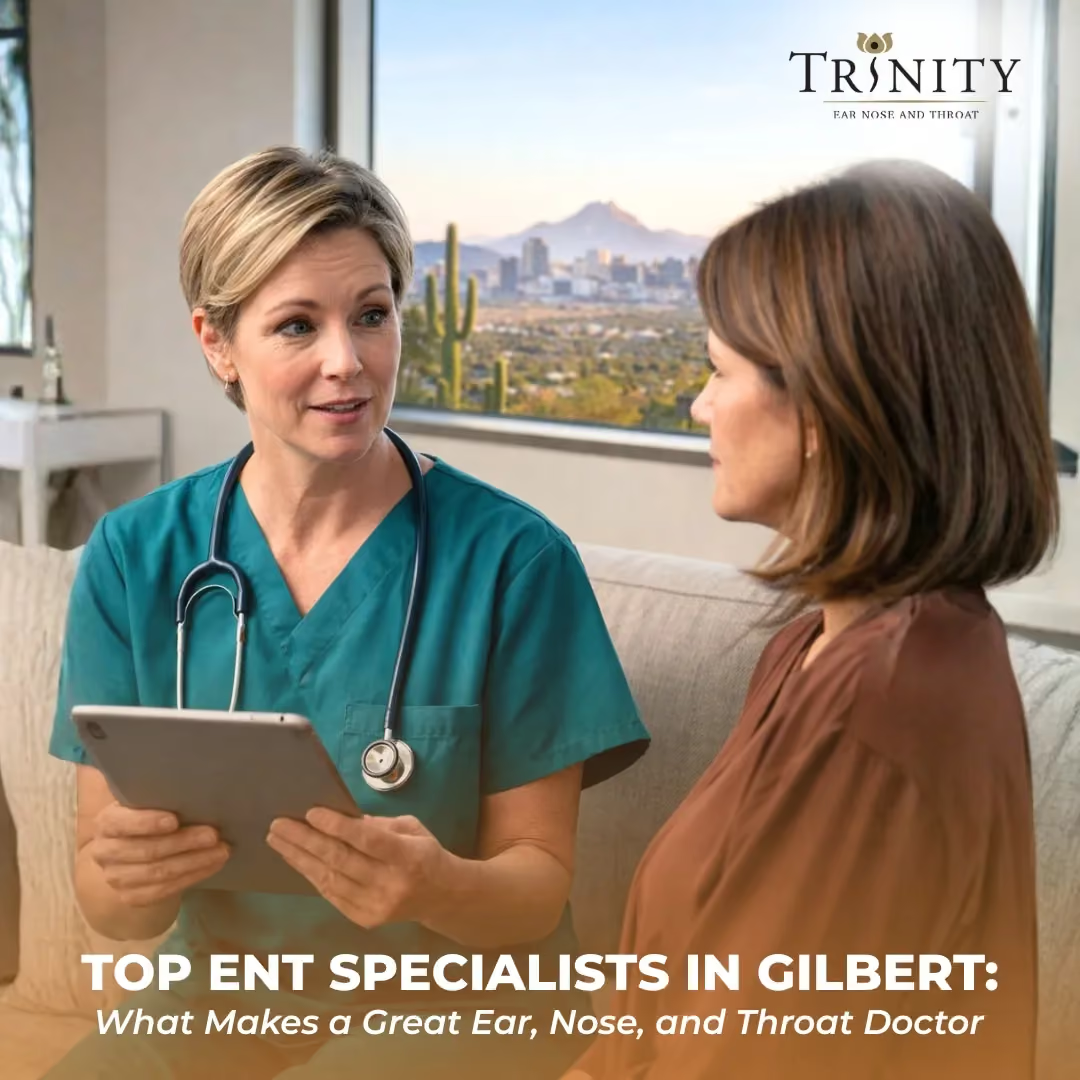
Why the Right ENT Matters
ENT specialists treat lots of different problems, such as:
- Sinus infections that keep coming back
- Ear infections or hearing loss
- Allergies that make it hard to breathe
- Problems with your voice or swallowing
- Snoring or trouble breathing while sleeping
Some symptoms might get better for a little while with home remedies, but if they keep coming back, you need a doctor who can find the real cause and create a treatment plan just for you.
What Makes an ENT Really Good
Here’s what top ENTs do differently:
1. Good Training and Experience
Great ENTs go through lots of training. They usually:
- Are certified by the official medical board for ENT doctors
- Have extra training in areas like sinus surgery or allergies
- Have years of experience helping patients with problems like yours
This means they know how to handle both simple and tricky cases safely.
2. Different Types of Services
The best ENTs can do more than just check your ears, nose, and throat. Look for doctors who can:
- Check your sinuses and do simple procedures like balloon sinuplasty
- Test for allergies and give treatment options
- Check your hearing and help with hearing aids if needed
- Examine your throat and voice
- Treat sleep problems like snoring
Choosing a doctor who can do lots of things in one place saves time and makes your care easier.
3. Experience With Tough Cases
Some problems are complicated. A good ENT can:
- Figure out what’s really causing your symptoms
- Offer treatments designed to reduce recurrence and manage symptoms more effectively over time.
- Perform surgeries carefully if needed, so recovery is faster and safer
Even small differences in your anatomy—like the shape of your sinuses—can affect treatment, so experience matters.
4. Talks to You Clearly
Even the best treatments won’t help if you don’t understand them. A great ENT will:
- Explain your condition in simple words
- Answer your questions and listen to your concerns
- Give advice for at-home care and long-term prevention
Feeling informed and comfortable makes it easier to follow your treatment plan.
5. Uses Modern Technology
Technology helps ENTs diagnose and treat problems better. Look for doctors who have:
- Tools to look inside your nose and sinuses with cameras
- CT scans to see detailed images if needed
- Hearing tests and allergy testing
- Minimally invasive tools for surgeries with less pain and quicker recovery
Modern tools may support more precise diagnosis and treatment planning, depending on your condition and needs.
6. Easy to Access
It also matters how easy it is to see your ENT. Check:
- Location and parking
- Office hours, including early mornings or evenings
- Online scheduling and quick responses
- Short wait times
The easier it is to reach your doctor, the faster you can get help when problems flare up.
7. Trusted by Patients and Doctors
A good reputation is important. You can look for:
- Reviews from patients that mention both results and kindness
- Recommendations from other doctors
- Doctors who keep learning and stay up-to-date with new treatments
A proven track record shows you’re in capable hands.
Questions to Ask Your ENT
Before your appointment, think about asking:
- What might be causing my symptoms?
- What tests do I need and why?
- What are my treatment options?
- How long until I feel better?
- If I need surgery, what will recovery be like?
- How will follow-ups work?
A doctor who answers these clearly shows they care about your health.
Watch Out for Red Flags
Be careful if an ENT:
- Pressures you into procedures too quickly
- Promises “instant cures”
- Doesn’t answer questions or is hard to reach
- Has unclear experience or credentials
Avoiding these signs helps keep your care safe and reliable.
How to Prepare for Your Appointment
Bring the following to get the most out of your visit:
- A list of your symptoms and when they started
- Past treatments, medicines, or surgeries
- Current medications and any allergies
- Questions about home care, prevention, or long-term management
This makes it easier for the ENT to create a plan that works for you.
Why a Good ENT Matters for the Long Term
Top ENTs don’t just treat problems—they help you stay healthy. They can:
- Give tips for allergy management
- Teach proper nose and ear care
- Watch for early signs of infection
- Suggest lifestyle changes to prevent flare-ups
Seeing the same ENT over time helps reduce repeated problems and keeps your ears, nose, and throat healthy.
Start Feeling Better Today
Ear, nose, and throat problems don’t have to control your life. Trinity ENT in Gilbert can listen to your concerns, explain your options clearly, and make a treatment plan just for you.
Schedule a consultation today and take the first step toward relief by scheduling a consultation to explore your personalized treatment options.
More Insights to Explore
The information provided in this article is for informational and educational purposes only and does not constitute medical advice. It is not intended to diagnose, treat, cure, or prevent any disease or medical condition. Always seek the guidance of your physician or other qualified healthcare provider with any questions you may have regarding a medical condition or treatment.
Results may vary: Treatment outcomes and health experiences may differ based on individual medical history, condition severity, and response to care.
Emergency Notice: If you are experiencing a medical emergency, call 911 or seek immediate medical attention.
