

5 Habits That Make Sinus Infections Worse in Gilbert, AZ
Still congested despite resting and taking medication? These 5 everyday habits could be making your sinus infection worse — and here's what to do instead.
5 Habits That Make Sinus Infections Worse in Gilbert, AZ
It can be frustrating when your sinus issues seem to be getting worse, instead of getting better, despite time, rest, and standard medications.
An ENT doctor in Gilbert, AZ, can help assess your symptoms and discuss potential causes of worsening sinus infection symptoms.
Let’s explore five habits that may seem simple, but may actually be aggravating your sinus issues, and what you can do about them.
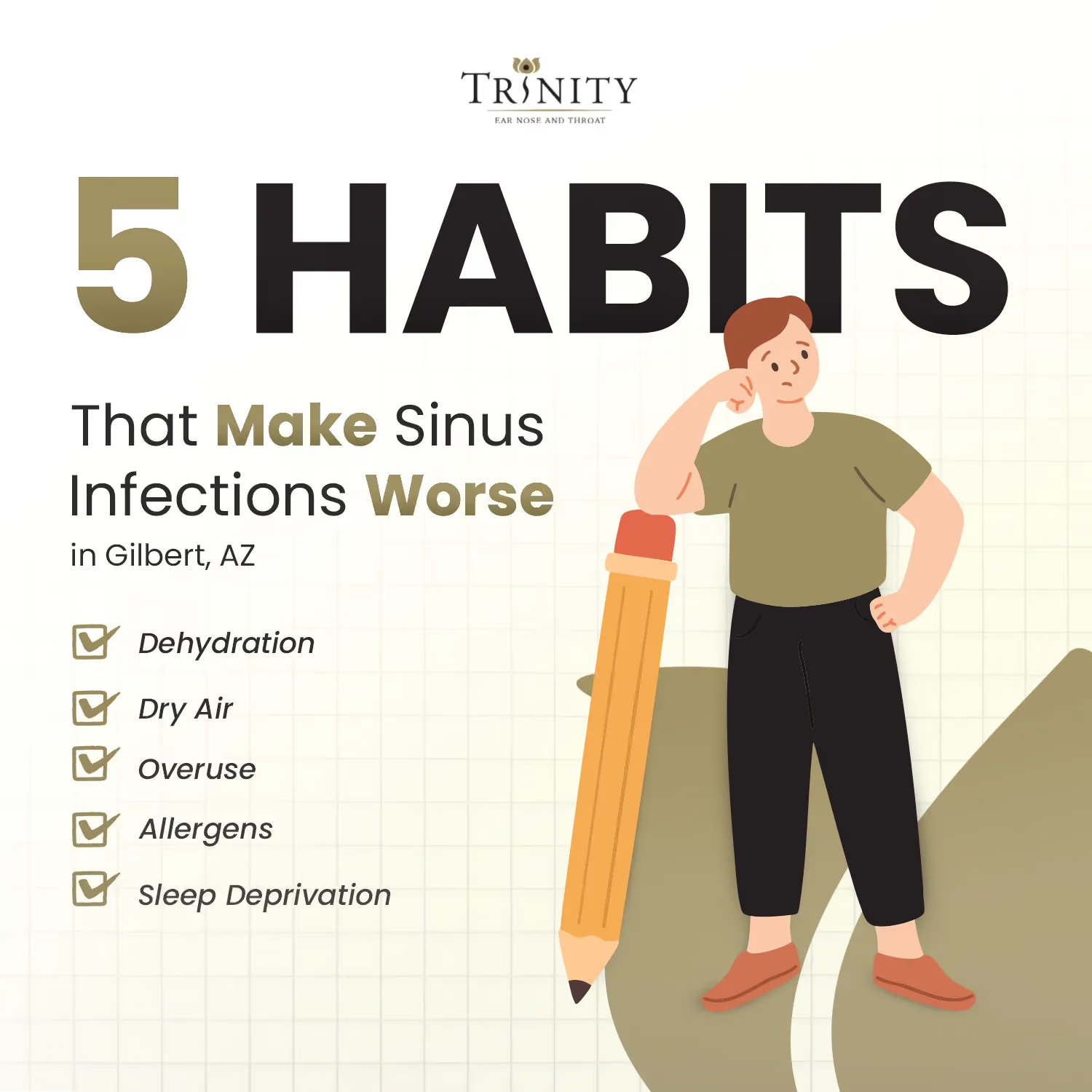
5 Habits That May Be Making Sinus Infections Worse in Gilbert, AZ–and What You Can Do to Combat Them
- You’re neglecting proper hydration
When you’re battling a sinus infection in Gilbert, AZ, proper hydration plays a crucial role in supporting overall sinus health.
Normal sinus function means that the sinuses (which are hollow and air-filled spaces behind the nose, cheeks, and forehead) naturally produce mucus. Water is used to make mucus. When you’re dehydrated, the sinuses could potentially produce thick and sticky mucus, which is less efficient in humidifying the air we breathe and trapping and eliminating irritants.
Thick and sticky mucus could also get stuck in the nasal and sinus passages, potentially leading to nasal congestion and breathing difficulties.
What to do about it: always stay hydrated
When you’re already dealing with an ongoing sinus infection, dehydration can potentially worsen your condition. Stay hydrated to potentially help keep mucus thin and support overall sinus function.
- Your air is too dry
Not only does the dry, desert air in Gilbert, AZ, and the greater Phoenix area dry and irritate the skin, but it also poses a threat to the sinuses.
The dry air, both indoor and outdoor, can exacerbate sinus infection symptoms because it can further irritate the nasal and sinus passages. Consistent and prolonged exposure to dry air can dry the mucus membranes, which leads to thicker mucus that is less effective in clearing and draining irritants properly.
What to do about it: run an indoor humidifier
To combat worsening symptoms due to Arizona’s dry desert air, run an indoor humidifier, especially in your bedroom when you sleep.
Doing so may add moisture back into the air and potentially soothe irritated sinuses, promote efficient mucus flow and drainage, and support overall sinus health.
- You’re overusing nasal decongestant sprays
Many patients with sinus infections look for temporary relief from nasal decongestant sprays. These sprays work by narrowing the blood vessels in the nasal and sinus passages, which may reduce swelling. As a result, it can offer relief from chronic nasal congestion, although temporarily.
However, the problem comes from overusing nasal decongestant sprays. Patients should only use them as directed, usually no longer than three days. Overusing them may worsen sinus issues more than they started.
Overuse of nasal sprays, known as rebound congestion, creates a dependency on the medication and can further irritate and inflame the tissues lining the nasal passages, which can exacerbate nasal congestion.
What to do about it: practice proper nasal hygiene
While you don’t have to completely stop the use of nasal decongestant sprays, you should not rely on them too much. Instead, accompany its use with proper nasal hygiene:
✔️Use nasal decongestant sprays for temporary nasal congestion relief only as directed.
✔️Rinse your nasal passages with saline water.
✔️Irrigate your nasal passages to help flush out irritants and mucus buildup. Remember to only use distilled, sterile, or previously boiled water. Always follow device instructions for proper use.
- You’re ignoring potential allergens and irritants
Underlying allergies can worsen ongoing sinus infections, especially if you’re ignoring potential triggers.
Some people who experience worsening sinus infection symptoms may unknowingly ignore allergens, irritants, and triggers that could linger in the air and in their spaces.
These triggers can include allergens such as pollen, dust mites, pet dander, and mold, or irritants such as smoke and perfume.
What to do about it: control and minimize your triggers
While one can’t fully avoid allergy triggers and irritants, there are some ways to stay on top of potential allergens and irritants, such as:
✔️Monitor daily pollen and allergen counts
✔️Clean your home and working spaces to minimize allergen exposure
✔️Wear a protective mask when heading out, especially during high allergen days
✔️Practice frequent hand washing
✔️Don’t smoke when you have a sinus infection
✔️Don’t wear colognes or perfumes when you have a sinus infection
- You’re not getting enough sleep and rest (and you’re not sleeping in the right position)
Adequate sleep does a lot for your overall health and body function. If you’re already dealing with a sinus infection, it’s more crucial than ever to get proper rest and sleep every night.
If you’re not getting enough sleep, you’re not helping your body’s immune system fight against the infection. Additionally, sleeping in the wrong position when you have a sinus infection could also potentially worsen your symptoms. That’s because when you sleep with your head down, mucus could pool in the sinuses, which can worsen nasal congestion and increase breathing discomfort.
What to do about it: get adequate sleep and in the right position
Try to get at least eight hours of sleep every night. This can support overall immune function and may help you feel better while recovering. Moreover, take it easy during the day, especially when you’re not feeling well.
To sleep in the right position, sleep with your head elevated. This helps mucus flow and drain more efficiently. This provides more comfort and can help you get better sleep and rest.
Commonly Asked Questions About Sinus Issues in Gilbert, AZ
What is a sinus infection?
A sinus infection, also known as sinusitis, is the irritation, swelling, and inflammation of the tissues lining the sinuses (which are hollow, air-filled spaces located behind the nose, cheeks, and forehead. Naturally, they produce mucus that humidifies the air we breathe and traps and eliminates irritants. When they become inflamed and irritated, they trap mucus and cause fluid buildup.
What does an ENT in Gilbert, AZ, do?
An ENT, also known as an otolaryngologist, is a healthcare specialist who diagnoses and treats issues and conditions of the ears, nose, throat, neck, and related facial structures. Some common conditions that they may address include allergies, sinus infection, ear infections and hearing disorders, throat issues, balance problems (such as dizziness and vertigo), and sleep-related breathing disorders (such as snoring and sleep apnea).
When should I seek sinus infection treatment in Gilbert, AZ?
While some sinus issues can improve on their own, persistent, severe, or recurrent symptoms are best evaluated by a qualified ENT specialist in Gilbert, AZ.
Conclusion: How You Can Stop Making Your Sinus Infection Worse
Trinity ENT provides ear, nose, and throat care services in Gilbert and the nearby Arizona communities. Learn more about our clinic, specialties, and services by visiting and exploring our website.
More Insights to Explore



The information provided in this article is for informational and educational purposes only and does not constitute medical advice. It is not intended to diagnose, treat, cure, or prevent any disease or medical condition. Always seek the guidance of your physician or other qualified healthcare provider with any questions you may have regarding a medical condition or treatment.
Results may vary: Treatment outcomes and health experiences may differ based on individual medical history, condition severity, and response to care.
Emergency Notice: If you are experiencing a medical emergency, call 911 or seek immediate medical attention.
